Last updated:
Best Dive Sites in Mustique
Mustique scuba diving offers spectacular underwater landscapes and thriving marine ecosystems. The island's location in the Lesser Antilles creates ideal diving conditions year-round. Local dive operators maintain access to the finest dive sites in the region.
Britannia Reef sits as one of Mustique's premier dive destinations. This site features coral formations and abundant fish species. You will encounter groupers, snappers, and jacks here. The reef reaches depths between 12 and 25 meters. Both beginners and experienced divers enjoy this location.
The Pillars dive site showcases unique rock formations covered in coral growth. These pillars rise from the sandy bottom and create dramatic underwater canyons. Divers navigate through natural archways and tunnels. Macro life thrives in crevices throughout the site. The depth ranges from 18 to 35 meters, making it suitable for intermediate to advanced divers.
Mustique Pinnacle rises from deep water and attracts pelagic species. You might see turtles, rays, and larger fish species here. The site demands good diving skills and current awareness. Visibility often exceeds 30 meters during optimal conditions. This location rewards experienced divers with memorable encounters.
The Wreck of the Antilles provides historical interest and marine biodiversity. This shallow wreck rests at 12 meters depth. Beginners can explore the outer structure safely. The wreck has become home to numerous fish species over the decades. Corals now cover much of the wreck structure.
Scuba Diving for Beginners in Mustique

Beginning your Mustique scuba diving journey requires choosing certified instructors and appropriate sites. Mustique's dive operators welcome beginners and provide comprehensive training programs. The island's calm waters make it ideal for learning.
Most beginners start with confined water training in shallow areas. Your instructor will teach basic skills in water depths under 6 meters. You will learn breathing techniques, mask clearing, and buoyancy control. Training typically takes one to two days before open water dives.
Britannia Reef serves as an excellent first dive site for certified beginners. The shallow portions reach only 8 meters depth. A gradual slope allows you to control your descent rate easily. Abundant marine life keeps your experience engaging and rewarding.
The Wreck of the Antilles also accommodates beginning divers effectively. Its shallow depth and sheltered location reduce challenges. You can explore the upper structure without deep diving experience. Multiple exits allow you to return to the surface whenever needed.
Always choose dive operators who employ certified instructors holding PADI or SSI credentials. These professionals understand beginner needs and safety priorities. They limit group sizes to ensure personal attention. Ask about their safety records and emergency procedures before booking.
PRO TIP: Arrive several days before your first dive. This allows you to adjust to the island's time zone and get acclimated. You will perform better in the water when well rested.
Snorkeling in Mustique
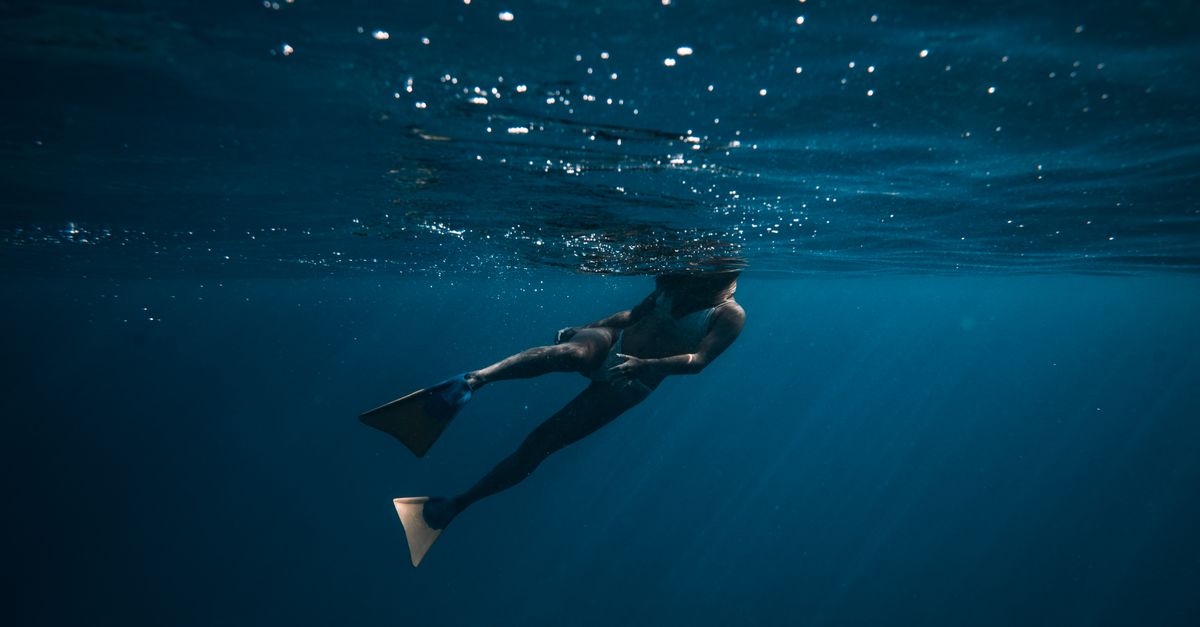
Snorkeling around Mustique provides accessible marine experiences without diving certification. The shallow reefs surrounding the island support abundant coral and fish life. You need only basic swimming ability and snorkeling equipment to enjoy these areas.
Britannia Reef's shallow sections work perfectly for snorkeling. You can float at the surface and observe the reef ecosystem below. Fish schools, sea turtles, and rays frequent this area. The water depth rarely exceeds 5 meters in snorkeling zones.
Lagoon areas near Mustique's main settlement offer calm snorkeling opportunities. Small coral formations and colorful fish populate these shallow waters. Children can safely explore these protected areas with adult supervision. Water temperature stays warm throughout the year.
Beach snorkeling from Endeavour Beach and Galleons Beach provides immediate reef access. You can wade into shallow water directly from shore. No boat ride is necessary for basic snorkeling exploration. These beach reefs support diverse marine life in just 1 to 6 meters of water.
Always wear reef-safe sunscreen to protect marine ecosystems. Chemical sunscreens harm coral and fish. Bring water shoes to protect your feet from sharp coral and rocks. Never touch coral or chase marine animals during your snorkeling adventure.
Dive Schools and Operators
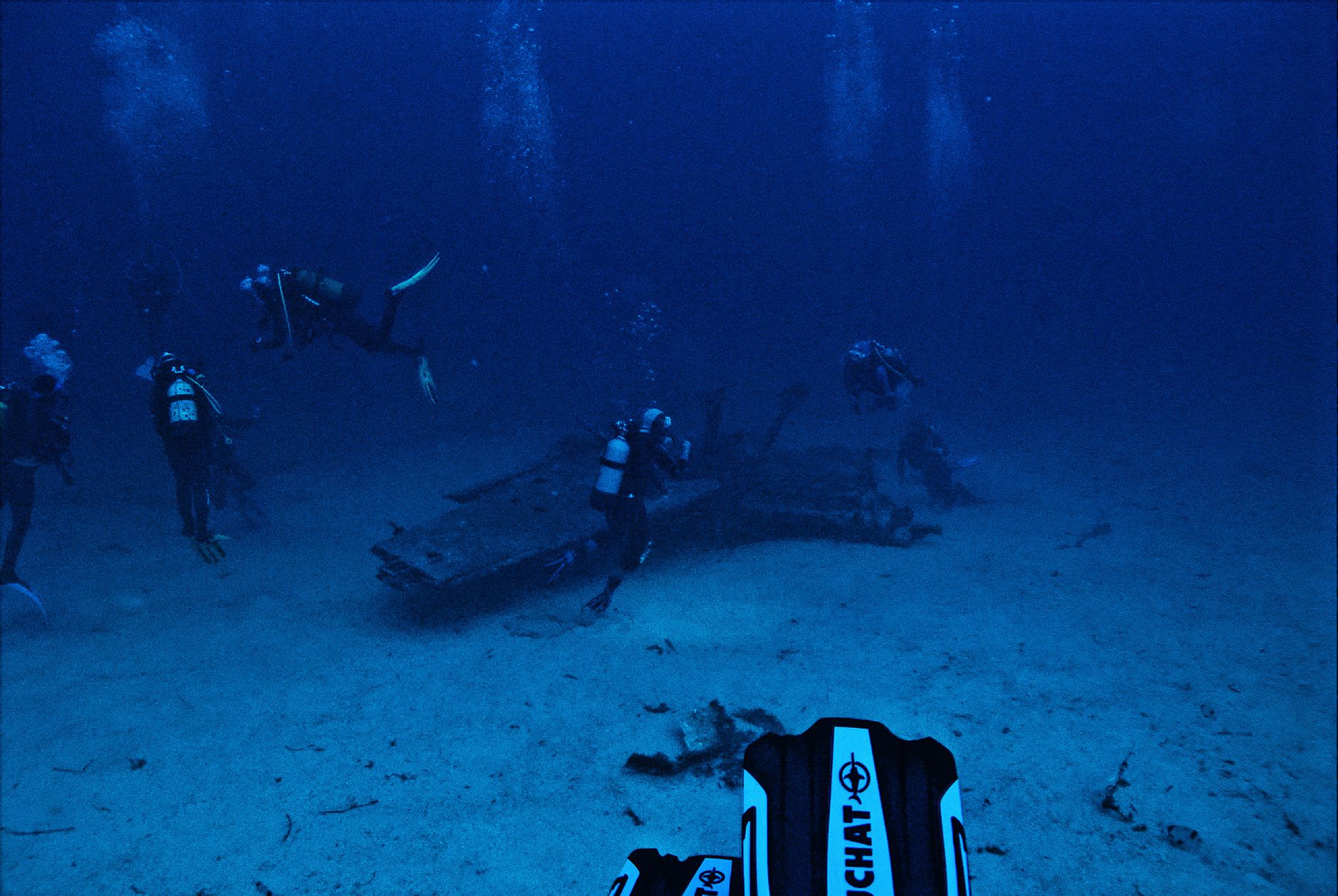
Mustique's dive operators maintain high safety standards and professional certifications. Several established companies operate on the island and serve visiting divers. These operators provide training, guided dives, and equipment rental services.
Most dive operators are based at the main resort areas and harbor facilities. You can book dives through your accommodation or by contacting operators directly. Operators typically offer morning and afternoon dive schedules. Each dive boat accommodates 4 to 12 divers depending on the vessel.
Standard dive packages usually include equipment rental, guide services, and boat transportation. Equipment provided covers wetsuits, tanks, regulators, and buoyancy compensators. You must bring your own mask, fins, and snorkel if preferred. Rental equipment meets international safety standards.
Dive operators conduct thorough briefings before each dive. These cover site conditions, marine life, and safety procedures. You will learn about current directions and exit procedures. Guides point out wildlife and adjust dive plans based on conditions.
Certification courses run year-round at varying price points. Open Water certification typically requires three to four days of instruction. Advanced certifications, specialty courses, and refresher training are available. Ask operators about their instructor credentials and group size policies.
Many operators offer nitrox diving for certified divers. This extends bottom time and reduces nitrogen absorption. Enriched air diving requires additional certification from your operator. Request nitrox availability when booking advanced dives.
PRO TIP: Book dives at least one day in advance. This ensures available spots on scheduled boat trips. Last-minute bookings may face longer wait times or limited site options.
What To Bring and What To Expect
Pack your diving certification card and log book for all dives. Operators verify certification before allowing dives. Bring a positive attitude and realistic expectations about conditions. Some days feature better visibility than others based on weather.
Wear comfortable clothing for boat rides. The sun reflects off water intensely, so bring extra sunscreen. Bring a towel and change of clothes for after diving. Most dive boats provide fresh water for rinsing off salt water.
What You Will See Underwater
Mustique's underwater world teems with tropical fish, coral formations, and marine creatures. The reefs support one of the Caribbean's most diverse ecosystems. Every dive reveals different species and behaviors.
Fish species inhabit nearly every part of the reefs around Mustique. You will regularly encounter parrotfish, surgeonfish, and snappers. These colorful fish create stunning underwater scenes. Groupers hide in coral crevices and emerge when divers approach. Jacks sometimes school together in impressive formations.
Sea turtles glide through the water with grace and beauty. Green turtles and hawksbill turtles inhabit Mustique's waters. These ancient creatures browse coral and seagrass. Encountering a turtle during a dive remains a highlight for most divers.
Rays cruise along the sandy bottom searching for food. Southern stingrays are common and generally avoid divers. Spotted eagle rays occasionally visit reef areas. These graceful animals move through water with remarkable elegance.
Coral formations range from small brain corals to massive columns. Staghorn corals create intricate structures and shelter countless fish. Soft corals wave in currents like underwater plants. Black corals thrive in deeper sections of dive sites.
Invertebrate life adds color and detail to reef ecosystems. Sea urchins cover the seafloor in many areas. Sponges grow in varied shapes and vibrant colors. Anemones host clownfish and other small species. Starfish and sea cucumbers browse the bottom.
Octopuses and squid occasionally appear but remain shy around divers. Spiny lobsters hide in reef crevices during daylight hours. Crustaceans of many varieties populate the reef structures. Night dives reveal nocturnal species rarely seen during day dives.
Best Time To Dive in Mustique

The best diving months in Mustique span December through May. These months feature calm seas and excellent visibility conditions. Water temperature stays warm at 27.7°C on average. This period represents Mustique's dry season with minimal rainfall.
December and January offer peak conditions and perfect weather. Visibility often exceeds 30 meters during these months. Water conditions remain calm with minimal current. However, these months attract the most visitors and highest prices.
February and March continue to offer excellent diving conditions. Fewer tourists visit during these months compared to December. Dive sites remain less crowded while conditions stay reliable. Pricing often drops during this shoulder season period.
April and May mark the end of the optimal diving season. Conditions still remain good with occasional weather changes. Water clarity stays above 20 meters most days. Tourist numbers increase again as summer approaches.
The hurricane season runs from June through November. While Mustique rarely experiences direct hurricane hits, weather becomes less predictable. Visibility can decrease due to increased water movement. Many dive operators reduce schedules during summer months.
Specific conditions vary by day regardless of season. Morning dives typically feature calmer conditions than afternoon dives. Check weather forecasts and sea conditions before planning your dive trips. Your operator will adjust sites based on daily conditions.
PRO TIP: Plan dives during early morning hours for best visibility. Wind typically picks up in afternoon, creating choppy seas and reduced clarity.
Frequently Asked Questions
Do I Need a Visa To Visit Mustique for Diving?
No, most visitors do not need a visa for Mustique. The island is part of Saint Vincent and the Grenadines, which offers visa-free entry for most nationalities. You will need a valid passport with at least six months validity remaining. Check with your country's embassy for specific visa requirements. Upon arrival, immigration officials will grant you entry for tourism purposes. Your stay typically allows up to one month without additional paperwork.
What Is the Water Temperature in Mustique Throughout the Year?
Water temperature in Mustique averages 27.7°C (approximately 82°F) year-round. Winter months see slight cooling to around 26°C. Summer months warm to approximately 29°C. These temperatures feel comfortable without a wetsuit for most divers. However, wearing a thin wetsuit extends dive comfort during longer bottom times. Bring a rash guard at minimum for sun protection. The warm water allows longer dive sessions without thermal stress.
Can Beginners Take Scuba Diving Lessons in Mustique?
Yes, Mustique welcomes beginner divers and offers comprehensive certification courses. Local dive operators employ certified instructors holding PADI or SSI credentials. Confined water training starts in shallow, protected areas. After skill development, instructors lead open water dives at appropriate sites. Most certification courses take three to four days to complete. Beginners should arrive with realistic expectations and good swimming ability. Prior snorkeling experience helps but is not required for most courses.
What Currency Should I Bring To Mustique?
Mustique uses the East Caribbean dollar (XCD) as official currency. Most accommodations and dive operators accept credit cards and US dollars. However, carrying some East Caribbean dollars simplifies small purchases. ATMs operate on the island but may have limited availability. Exchange rates favor converting money through official channels. Check your bank's international transaction fees before withdrawing money. Notify your bank of travel dates to prevent card blocks due to international activity.
How Do I Get To Mustique From the Airport?
Mustique's nearest airport is Canouan Airport (CIW) located on the neighboring island of Canouan. Flights arrive from larger Caribbean hubs and connecting islands. From Canouan, you take a ferry or private boat to Mustique. Ferry services operate several times daily and take approximately 30 minutes. Private boat charters offer faster transportation and greater flexibility. Your accommodation can arrange airport transfers and boat transportation. Plan for total travel time of two to three hours from airport to accommodation.
Word Count: 1,847 words